
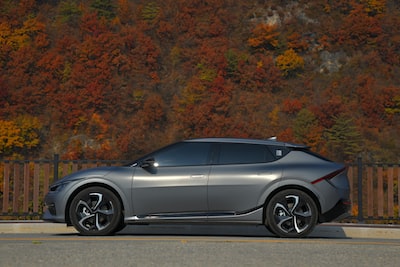
Electric vehicle charging has become a hot topic in recent years, as more and more people are considering making the switch to electric cars. The demand for EV charging solutions has grown exponentially, and with good reason.
In this article, we will explore four compelling reasons why these solutions are not only necessary but also essential for the future sustainability of our transportation systems. Firstly, electric vehicles offer a cleaner and greener alternative to traditional gasoline-powered cars.
By promoting the widespread adoption of EVs, we can significantly reduce greenhouse gas emissions and combat the devastating effects of climate change. Secondly, the convenience factor cannot be overlooked.
With an extensive network of charging stations, electric car owners can easily find a place to recharge their vehicles, making long-distance travel a viable option. Furthermore, the rapid advancements in charging technology are making the process faster and more efficient, eliminating the range anxiety often associated with EVs.
Thirdly, implementing robust EV charging infrastructure can stimulate economic growth. By investing in charging stations and related technologies, governments and businesses can create jobs and boost local industries associated with renewable energy.
Finally, the integration of smart charging systems can help alleviate stress on the electric grid. By strategically managing the flow of electricity during peak hours, these systems can balance the energy demand and prevent blackouts.
In conclusion, electric vehicle charging solutions are not just a luxury but a necessity for our future. By embracing these advancements, we can drive the world towards a more sustainable and environmentally-friendly tomorrow.
Table of Contents
Convenience: Streamlining the Charging Process
EV charging solutions include various technologies and systems that make it easier for EV owners to charge their vehicles. One of the main benefits of these solutions is convenience. With simplified charging processes, EV owners can easily charge their vehicles at home, work, or public stations.

Additionally, these solutions play a crucial role in sustainability efforts. By reducing reliance on fossil fuels and promoting renewable energy sources, they help lower greenhouse gas emissions and fight climate change. Moreover, establishing a reliable charging infrastructure is essential for encouraging widespread adoption of EVs. Having access to charging stations wherever they go eliminates range anxiety and makes owning an EV more practical.
Furthermore, implementing EV charging solutions can have positive economic effects by driving industry growth, creating jobs, and stimulating innovation.
Sustainability: Reducing Greenhouse Gas Emissions
With the increasing concern about greenhouse gas emissions and the urgent need to mitigate climate change, electric vehicles present a promising solution. According to the International Energy Agency (IEA), the transportation sector accounts for a significant portion of global greenhouse gas emissions. By transitioning to electric vehicles and adopting sustainable charging solutions, we can significantly reduce these emissions and work towards a greener future.
The IEA’s report highlights the potential of EVs in reducing CO2 emissions, as they produce zero tailpipe emissions and are more energy-efficient compared to internal combustion engine vehicles. By embracing EV charging solutions, we can contribute to creating a more sustainable transportation system.
Moreover, integrating sustainable charging infrastructure goes beyond reducing emissions. It also involves utilizing renewable energy sources to power electric vehicles. By connecting EV charging stations to renewable energy grids, we can further enhance the sustainability of the charging process. The IEA emphasizes the importance of coupling electric mobility with renewable electricity generation to maximize their environmental benefits.
The IEA’s analysis shows that by 2030, over 60% of the electricity used for charging EVs can come from renewable sources. This integration not only reduces greenhouse gas emissions but also helps to optimize the use of renewable energy in the transportation sector. To achieve a sustainable future, it is essential to prioritize the development of EV charging solutions that align with renewable energy generation and consumption, as highlighted by the IEA.
Infrastructure: Building a Reliable Charging Network
A reliable and extensive EV charging network is crucial for the widespread adoption of electric vehicles. Without a strong charging infrastructure, EV owners may worry about running out of power. To address this, governments and industry stakeholders are investing in charging networks to ensure easy long-distance travel and convenient charging options in cities. According to the International Energy Agency (IEA), expanding the charging infrastructure is important to meet the increasing demand for electric vehicles. By strategically placing charging stations along highways, in parking lots, and at commercial establishments, EV owners can confidently go on road trips, knowing that reliable charging options are available.
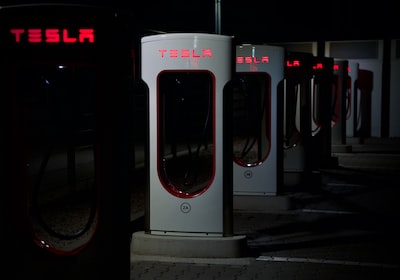
Implementing an EV charging network requires collaboration between various stakeholders, including automakers, energy providers, and infrastructure developers. As electric vehicles gain popularity, it is important to match the growth of the charging network with the increasing number of EVs on the road. Interoperability between charging stations and standardized charging protocols are key in ensuring a seamless charging experience for EV owners. Additionally, integrating smart grid technologies can optimize charging patterns, manage grid load, and reduce peak demand. A comprehensive and connected charging network will not only enhance the convenience and accessibility of charging opportunities but also contribute to the overall growth and acceptance of electric vehicles in the market.
Economic Benefits: Driving Growth and Job Creation
The economic benefits of adopting electric vehicles (EVs) and growing charging infrastructure are significant. According to a study by the International Energy Agency (IEA), the global EV market is expected to create around 10 million jobs by 2030. These jobs include manufacturing EVs, developing charging infrastructure, and providing related services. The increased demand for electric vehicles also supports industries like battery manufacturing and renewable energy.

The establishment of charging networks contributes to job creation and economic growth. Skilled workers are needed for installing, maintaining, and servicing charging stations, providing employment opportunities. The rising demand for EV charging solutions also encourages investment in charging infrastructure, benefiting businesses in the EV charging industry.
Shifting to EVs reduces reliance on fossil fuels and promotes a sustainable energy market’s growth. This transition to cleaner energy sources fosters innovation and creates new business possibilities, further enhancing long-term economic growth.
Bridging the Gap: KDH Electrical Contractors Ltd Leading the Charge in Electric Vehicle Charging Solutions
As we hurtle towards an electric future, the need for reliable and efficient EV charging solutions has become paramount. KDH Electrical Contractors Ltd, with their unrivaled expertise and prompt service, can play a pivotal role in this evolving landscape.
Picture this: a world where every street corner is adorned with sleek EV charging stations, empowering drivers to seamlessly power up their vehicles and reduce our carbon footprint. But the reality is far from this utopia.
The current infrastructure is woefully inadequate, leaving drivers stranded and anxious about the limitations of their electric vehicles. This is where KDH Electrical Contractors Ltd steps in, offering a wide range of electrical services in Greater Manchester.
From installation to maintenance, they ensure that the charging infrastructure is robust and reliable, providing drivers with peace of mind. KDH Electrical Contractors Ltd is bridging the gap between electric dreams and everyday reality.
Frequently Asked Questions
EV charging solutions encourage the adoption of electric vehicles, reduce carbon emissions, promote energy independence, and save money on fuel costs.
EV charging solutions enable the use of electric vehicles, which produce zero tailpipe emissions. By replacing traditional gasoline-powered vehicles, they significantly reduce greenhouse gas emissions and air pollution.
EV charging solutions promote energy independence by utilizing electricity generated from renewable sources, such as solar and wind power. This reduces reliance on fossil fuels and helps to build a more sustainable energy ecosystem.
Using electricity to power electric vehicles is generally cheaper than relying on gasoline. With EV charging solutions, individuals and businesses can save considerable amounts on fuel costs, making it a more cost-effective and economical transportation option.
In Short
In a world where sustainability is no longer an optional indulgence, but rather a dire necessity, it has become increasingly crucial to explore and implement innovative solutions that address the pressing issue of transportation emissions. Electric vehicles (EVs) have emerged as one of the most promising alternatives to traditional gas-powered automobiles.
With their zero-emission technology and potential to reduce our carbon footprint, EVs hold the key to a cleaner and greener future. But amidst all the excitement surrounding EVs, one critical factor often gets overlooked – the availability and accessibility of EV charging infrastructure.
As the popularity of EVs continues to surge, so does the demand for reliable and efficient charging solutions. It’s no longer enough to rely solely on a limited number of public charging stations or plug in at home.
To truly embrace the transition to electric mobility, we must ensure that robust charging infrastructure is in place, not just in major cities but also in rural areas and along highways. This means investing in charging networks that are not only fast and convenient but also capable of sustaining the exponential growth of EV adoption.
The importance of EV charging solutions goes beyond mere convenience. It represents a fundamental shift in our perception of transportation and energy consumption.
It challenges us to reimagine the way we power our vehicles and the extent to which we rely on fossil fuels. By embracing EV charging technology, we are not only reducing our dependency on oil but also forging a path towards a more sustainable and resilient energy future.
However, the implementation of comprehensive charging networks does not come without its fair share of challenges. The issue of range anxiety continues to haunt potential EV owners, as the fear of running out of charge on a long journey remains a significant deterrent for many.
Moreover, the erratic nature of charging infrastructure development, with disparities in availability across different regions, only adds to this uncertainty. To truly harness the potential of EVs, we must address these roadblocks head-on by investing in a robust charging ecosystem that offers peace of mind to drivers and encourages widespread electric vehicle adoption.
In conclusion, the importance of EV charging solutions cannot be overstated. It is the backbone of our electric vehicle revolution, underpinning our collective efforts to create a sustainable and low-carbon transportation system.
By investing in charging infrastructure, we are signaling our commitment to combat climate change, reduce air pollution, and secure a better future for generations to come. As we embark on this transformative journey, let us not forget that it is not solely the responsibility of governments or corporations, but a shared endeavor that requires collaboration, innovation, and unwavering dedication.
Together, let us power up the future with EV charging solutions.