

As we propel towards a greener future, the question of how to power the vehicles that drive our daily lives becomes increasingly vital. With the rise of electric vehicles, the need for efficient and accessible charging solutions has become paramount.
Enter the world of EV charging, where innovation and sustainability converge to empower your journey. From bustling city streets to winding country roads, the technology behind EV charging has the potential to revolutionize our transportation system, making it cleaner, quieter, and more efficient.
In this enlightening article, we delve into the intricacies of this transformative industry, uncovering the untapped potential of our Unleashed EV Charging Solutions. Prepare to have your mind ignited and your perception of transportation revolutionized as we unveil the remarkable advancements that are powering the future.
Whether you’re a tech-savvy enthusiast or simply curious about the shape of things to come, this article will leave you energized and eager to explore the limitless possibilities that lie ahead. From the hidden complexities of charging infrastructure to the awe-inspiring speed and convenience of our Unleashed EV Charging Solutions, join us on a thrilling journey into the heart of electrified travel.
Get ready to revolutionize your understanding of sustainable transportation and embrace a future powered by innovation and environmental responsibility. Powering the future with EV charging has never been more captivating, so fasten your seatbelt and prepare for the ride of a lifetime.

Table of Contents
Why electric vehicles are the future
Electric vehicles (EVs) are becoming more popular because they are environmentally friendly and cost-effective. EV charging solutions are important for making the switch to widespread EV adoption easier and more convenient. Whether it’s for homes, businesses, or public spaces, these solutions cater to the diverse needs of EV owners and provide a simple and stress-free charging experience. Additionally, EV charging solutions help reduce greenhouse gas emissions and reliance on fossil fuels, which contributes to a greener and healthier planet. These solutions are constantly improving with advances in technology, offering faster charging times, greater accessibility, and improved energy efficiency. By embracing EV charging solutions, individuals and businesses can support a sustainable future while also enjoying the benefits of lower fuel costs and a better driving experience.

The benefits of EV charging solutions
EV charging has several advantages. Firstly, it saves on costs. EVs have lower fuel costs compared to traditional gasoline-powered vehicles because electricity prices are more stable than gasoline prices. Many electric utility companies also offer special rates or incentives for EV owners, reducing charging costs further.
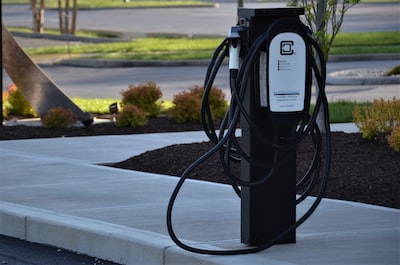
Secondly, EV charging promotes environmental sustainability. Driving an electric vehicle and using clean energy sources for charging helps to reduce greenhouse gas emissions and other pollutants that contribute to air pollution and climate change. This benefits the environment and improves overall health.
In addition to the cost and environmental benefits, EV charging also offers convenience and flexibility. The advancement of technology makes charging infrastructure more accessible and widely available. Public charging stations are becoming increasingly common, allowing EV owners to charge their vehicles while running errands or during longer trips. Home charging stations can also be installed, enabling EV owners to charge their vehicles overnight or whenever it is convenient. This eliminates the need to search for gas stations and saves time in the long run.
Furthermore, EV charging is often more reliable and requires less maintenance compared to traditional fuel systems. This results in fewer breakdowns and reduces expenses for repairs.
Different types of EV charging options available
The Department of Energy provides a comprehensive guide on their website, outlining the various types of EV charging options. According to the Department of Energy, there are three main levels of EV charging: Level 1, Level 2, and DC Fast Charging. Level 1 charging simply requires a standard electrical outlet and is the slowest option, best suited for overnight charging at home. Level 2 charging, on the other hand, utilizes a dedicated 240-volt circuit and provides faster charging times, making it ideal for both residential and commercial settings. DC Fast Charging, also known as Level 3 charging, is the fastest option, capable of charging an electric vehicle in a matter of minutes. However, it requires specialized charging equipment and is commonly found in public charging stations along major highways.
In addition to these three main types, there are also different connector types to consider, such as the J1772 connector for Level 1 and Level 2 charging, and the CHAdeMO and CCS connectors for DC Fast Charging. Understanding the different options available can help you make an informed decision on the type of EV charging solution that best suits your requirements.
How EV charging solutions are improving sustainability
EV charging solutions have a positive impact on the environment. They help reduce carbon emissions and can be integrated with renewable energy sources for sustainable charging. EV charging supports the creation of a cleaner and greener future. Additionally, it also contributes to a sustainable transportation ecosystem.
Making the switch: Steps to adopt EV charging solutions
1. Adopting EV charging solutions:The adoption of electric vehicle (EV) charging solutions is becoming increasingly important as more people switch to electric vehicles. Whether it is at homes, businesses, or public spaces, having access to convenient and reliable EV charging is crucial for the growth of the electric vehicle market. By investing in and implementing EV charging solutions, individuals and organizations can contribute to the sustainability of transportation and reduce their carbon footprint.2. Factors to consider for EV charging setup at homes, businesses, and public spaces:When setting up EV charging stations, there are several factors that need to be considered. For homes, individuals need to assess their charging needs, availability of charging infrastructure, and the electrical capacity of their property. Businesses and public spaces should evaluate the demand for EV charging, the location and accessibility of the charging stations, and the ability to provide additional services such as payment options. Considering these factors will help ensure that EV charging setups are efficient, convenient, and accessible for users.3. Government incentives and rebates for implementing EV charging infrastructure:To encourage the widespread adoption of EV charging infrastructure, governments often provide incentives and rebates for individuals, businesses, and organizations. These incentives can include grants, tax credits, or subsidies to offset the costs of purchasing and installing EV charging stations. By taking advantage of these incentives, more people and entities can afford and be motivated to invest in EV charging infrastructure, which in turn promotes the growth of the electric vehicle market.4. Collaborations among automakers, utilities, and charging providers:Collaboration among automakers, utilities, and charging providers is vital for the development and expansion of EV charging networks. Automakers can work together with utilities and charging providers to ensure interoperability and standardization of charging equipment. Additionally, collaboration can help streamline the installation process, improve user experience, and integrate renewable energy sources into the charging infrastructure. By working together, these entities can create a seamless and effective charging ecosystem that benefits both electric vehicle owners and the environment.5. Addressing obstacles to promote widespread EV charging adoption:Despite the growing popularity of electric vehicles, there are still obstacles that need to be overcome to promote widespread EV charging adoption. Some of these obstacles include high upfront costs, limited charging infrastructure in certain areas, range anxiety, and the time it takes to charge an electric vehicle. To address these challenges, stakeholders need to continue investing in research and development to improve charging technology, expand the charging network, and educate the public about the benefits of electric vehicles. Additionally, governments and policymakers should implement supportive policies and regulations that encourage the growth of EV charging infrastructure and remove barriers to adoption. By addressing these obstacles, more people will feel confident in switching to electric vehicles, knowing that they will have convenient and accessible charging options.
KDH Electrical Contractors Ltd: Your Trusted Experts for EV Charging Solutions
Choosing EV charging solutions can be a mind-boggling task, as the market is inundated with options, each promising the best. However, KDH Electrical Contractors Ltd stands out like a beacon in this chaotic realm.
With their unwavering commitment to excellence, they have carved a niche for themselves in Greater Manchester’s electrical landscape. Offering a wide array of services, from installation to repair, they are the go-to experts for both domestic, commercial, and industrial clients.
Safety and satisfaction are their watchwords, and their prompt service is second to none. Whether you’re a Tesla owner looking to power up or a business desiring employee conveniences, KDH Electrical Contractors Ltd has got you covered.
Don’t get lost in the bewildering world of EV charging solutions – choose the team that will not only meet but surpass your expectations.
Frequently Asked Questions
An EV charging solution refers to the infrastructure and technology required to charge electric vehicles. It typically includes charging stations, connectors, cables, and software for managing and monitoring.
Efficient charging solutions for electric vehicles are essential to ensure a smooth and convenient charging experience, reduce charging time, and promote wider adoption of electric vehicles. They also help optimize energy usage and support the overall sustainability of the electric vehicle ecosystem.
There are various types of charging solutions available for electric vehicles, including Level 1 (120V) charging, Level 2 (240V) charging, and DC fast charging. Level 1 charging is the slowest, while DC fast charging provides the fastest charging speeds.
Electric vehicles can typically be charged using different types of charging stations. However, compatibility may vary depending on the vehicle’s charging capabilities and connector type. It is recommended to check the manufacturer’s guidelines or consult with a professional to ensure compatibility.
Yes, smart charging solutions offer various benefits. They enable users to remotely monitor and control charging sessions, optimize charging schedules to take advantage of lower electricity rates, and integrate with renewable energy sources for greener charging options. Smart charging solutions can also provide data insights for better energy management and load balancing.
There are multiple ways to find EV charging stations near you. You can use smartphone apps dedicated to locating charging stations, check online maps specifically designed for this purpose, or refer to the navigation system of your electric vehicle, which often includes charging station information.
Yes, public charging stations are increasingly becoming available in many locations such as parking lots, shopping centers, highway rest areas, and city streets. These stations provide convenient charging options for electric vehicle owners who may not have home charging capabilities.
The time required to charge an electric vehicle depends on several factors, including the vehicle’s battery capacity, the charging station’s power output, and the charging speed. Level 1 charging typically takes around 8-12 hours, Level 2 charging can take 3-8 hours, while DC fast charging can provide a significant charge in 20-60 minutes.
Many regions and governments offer subsidies or incentives to encourage the installation of EV charging solutions. These incentives may include tax credits, grants, or rebates that can help offset the costs of installation and infrastructure setup.
Yes, it is possible to charge an electric vehicle at home. Home charging solutions typically involve the installation of a Level 2 charging station or using a standard electrical outlet for Level 1 charging. It is important to ensure that the electrical system can support the charging requirements and follow local regulations and safety guidelines.
Takeaway
In a world facing ever-increasing environmental challenges, the adoption of electric vehicles (EVs) has become an imperative. As cities grapple with pollution-induced crises, forward-thinking individuals are turning to EVs as a solution that promises cleaner air, reduced emissions, and a sustainable future.
But even as the demand for EVs continues to surge, the lack of reliable and efficient charging infrastructure remains a major hurdle. This is where EV charging solutions step in.
These innovative technologies not only provide convenience and accessibility for EV owners but also pave the way for a world powered by renewable energy. With an array of charging options – from Level 1 home charging stations to high-speed DC fast chargers – EV charging solutions offer the flexibility and feasibility that traditional fueling methods simply cannot match.
Moreover, the growth of smart grid technologies has enabled the integration of charging infrastructure with renewable energy sources, further reducing dependence on fossil fuels. So, why choose EV charging solutions? The answer lies in the potential to transform our cities into cleaner, greener, and more livable spaces.
It’s about embracing a future where sustainability and convenience go hand in hand, where urban landscapes hum with the promise of a decarbonized tomorrow. By investing in EV charging solutions, we can drive the transition towards a more sustainable transportation sector and ensure a greener legacy for generations to come.